When is the best time to trim trees? Winter is often the ideal season. Trees are dormant, pests are inactive, and structural issues are easier to spot without leaves. Pruning during this time promotes healthy spring growth and minimizes risks like disease or storm damage.
Key Points:
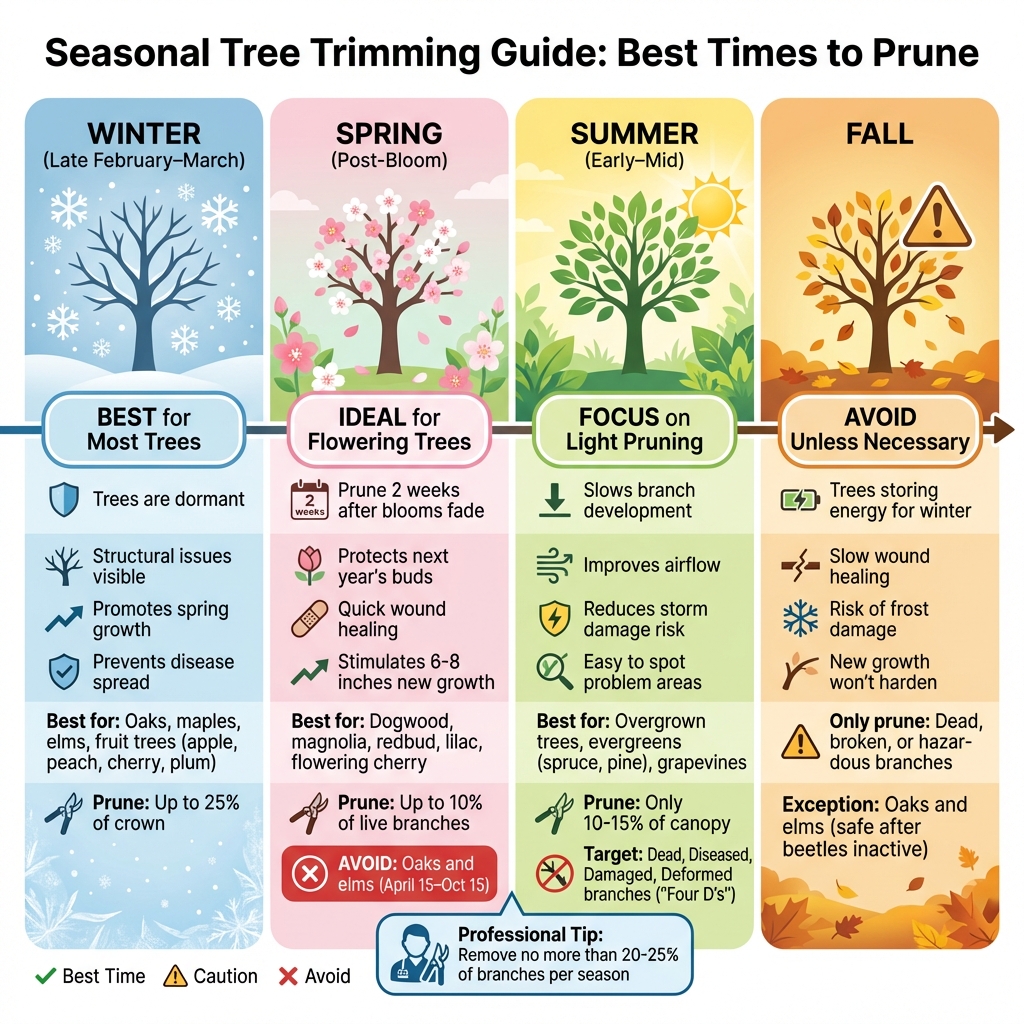
- Winter (Late February–March): Best for most trees, including oaks and fruit trees, to prevent disease and support growth.
- Spring (Post-Bloom): Ideal for flowering trees like magnolias and dogwoods to protect next year’s blooms.
- Summer (Early–Mid): Focus on light pruning to manage growth and improve airflow.
- Fall: Avoid unless addressing dead or hazardous branches.
Timing matters for tree health. Prune according to species and season to prevent issues like infections, weak growth, or structural problems.
Best Time to Trim Trees by Season: A Year-Round Pruning Guide
When is the best time to prune trees?
sbb-itb-a61c528
Winter Tree Trimming: Pruning During Dormancy
Late winter is an ideal time for pruning. During dormancy, trees pause their growth and stop producing sugar through their leaves. This allows them to conserve energy in their roots and trunk, which will later fuel fresh growth when spring rolls around.
Why Winter Trimming Works
Pruning in winter comes with several benefits. With the leaves gone, the tree’s structure is fully visible, making it easier to spot weak branches, dead wood, or problematic "V" shaped unions. Keith Wood, Community Forestry Program Manager at the Colorado State Forest Service, highlights this advantage:
By being proactive and pruning trees during the late winter, residents can help maintain the health, appearance and safety of their trees for the long term.
Winter pruning also helps prevent disease and pests. Many tree diseases, often spread by insects like beetles, are less likely to pose a threat in the cold months when these pests are dormant. For example, pruning oaks between December and February reduces the risk of infections caused by sap-feeding insects. Similarly, winter trimming can help avoid diseases like Dutch elm disease, which are spread by beetles.
Another benefit is the timing of wound healing. Pruning right before spring allows trees to begin sealing their cuts quickly as growth resumes. Even if sap flows from species like maple, birch, or elm after a late-winter trim, it’s nothing to worry about – this harmless "bleeding" will stop naturally. Joe Moussa, Owner of Mosaic Home & Garden Center, explains:
Trees are still dormant. They’ll heal from the prune quickly as they begin to wake in spring.
Winter pruning also helps prepare trees for stormy weather. Removing weak or damaged branches before spring’s heavy rains and winds can reduce the risk of limb failure. Plus, frozen ground protects lawns and flower beds from damage caused by heavy equipment. Homeowners may even find better pricing and scheduling during this slower season.
Trees That Benefit from Winter Pruning
Different tree species thrive with winter pruning. Most shade trees, such as oak, maple, elm, birch, beech, tulip poplar, and sweetgum, respond well to trimming during dormancy. For oaks, specifically, pruning between December and February is crucial to reduce disease risks.
Fruit trees – like apple, peach, cherry, and plum – should be pruned between late February and early April, before their buds swell. This timing helps improve fruit production and keeps trees at a manageable size. Evergreens, including spruce and fir, also benefit from late-winter pruning, which promotes denser growth and allows for the removal of unwanted lower branches.
For summer-flowering trees and shrubs that bloom on new wood, like Rose of Sharon and Crape Myrtle, late winter or early spring pruning enhances their blooms later in the year. However, avoid pruning spring-flowering species such as dogwood, redbud, or magnolia during winter, as this would remove the flower buds they formed the previous year. To avoid stressing the tree, experts recommend removing no more than 25% of its crown at any one time.
Spring Tree Trimming: Post-Bloom Care
Spring trimming, following winter pruning, is all about timing. To protect next year’s blooms, it’s best to wait until about two weeks after the current blooms fade. This timing allows for shaping the tree without compromising its flowering potential. Spring pruning focuses on maintaining the tree’s ability to flower while encouraging healthy new growth.
Benefits of Spring Pruning
Pruning right after flowering has several perks. By removing terminal buds, you redirect growth hormones (auxin) to lateral buds, which can stimulate new growth up to 6–8 inches from the cut. This results in fuller, more appealing branch structures.
Spring pruning also improves air circulation and light penetration, helping to lower humidity levels and reduce the risk of diseases. Plus, since trees are actively growing during this time, they can quickly seal pruning wounds. As leaves emerge in late spring, dense or problematic areas, like rubbing branches, become easier to identify – issues that might not have been visible during winter dormancy.
The secret to more flowers next season? Prune at the right time.
Next, let’s explore which tree species benefit most from this approach.
Trees That Need Spring Pruning
Spring-flowering trees form their flower buds on "old wood", or growth from the previous year. Trees like dogwood, magnolia, redbud, flowering cherry, crabapple, and lilac fall into this category. These species should be pruned right after their blooms fade.
If you wait too long to prune, you’ll remove the buds that produce the next year’s flowers.
Some trees require extra care with timing. For example, maples, birches, and walnuts tend to "bleed" sap if pruned in early spring. While this doesn’t harm the tree, it can be unsightly. Instead, wait until their leaves fully mature in late spring before pruning. Oaks and elms need special attention too – avoid pruning them between April 15 and October 15 to prevent Oak Wilt and Dutch Elm Disease. During the growing season, keep pruning to a minimum, removing no more than 10% of a mature tree’s live branches to avoid putting the tree under unnecessary stress.
Summer Tree Trimming: Controlling Growth and Airflow
Summer pruning works differently than winter pruning. While winter cuts often encourage vigorous growth, summer pruning slows branch development by removing leaves that fuel that growth. This makes it a great season for managing overgrown trees and keeping them in check.
The dense foliage of summer makes it easier to spot problem areas, like overcrowded branches, rubbing limbs, or sagging sections. By thinning these interior branches, you can reduce humidity buildup, which helps prevent mold, mildew, and other fungal diseases. Opening up the canopy also allows more sunlight to reach lower branches and even plants on the ground. Plus, it reduces the "sail effect", making trees less likely to suffer storm damage.
"Summer trimming should focus on light, targeted work, like reducing canopy density and improving air circulation, since pests and diseases are most active during this season."
– A-AAA Tree Service
When pruning in summer, keep it light – remove only 10% to 15% of the live canopy to avoid stressing the tree. Focus on the "Four D’s": branches that are Dead, Diseased, Damaged, or Deformed. Avoid pruning during extreme weather conditions like heatwaves, droughts, or high humidity, as these can lead to sunscald or fungal infections. Always use sharp, sanitized tools, and disinfect them between cuts, especially when managing diseases like oak wilt.
Next, let’s explore the best timing and techniques for summer pruning based on different climates.
Best Times for Summer Trimming
The ideal time for light pruning is early to mid-summer. During this period, trees are actively growing, which allows wounds to heal quickly. Avoid late summer pruning, as any new growth stimulated by cutting might not harden off before the first frost, increasing the risk of winter dieback.
"While some species may face increased odds of infection, minor pruning in early to mid-summer can also invigorate summer growth. For instance, removing low lateral branches can encourage growth of the tree’s main leader."
– Ben Vaughan, Certified Arborist and Urban Forestry Manager, Trees Forever
Summer is also the time to address immediate safety issues. Dead branches that don’t sprout leaves while the rest of the tree is green should be removed before they become a hazard. Similarly, storm-damaged limbs need prompt attention, and water sprouts – those vertical shoots that siphon nutrients from productive branches – should be cut away. For fruit trees, wait until after harvest to prune.
Summer Pruning for Warm-Climate Trees
Timing is crucial for all trees, but warm-climate varieties need a slightly different approach. For example, evergreens like spruce and pine, which put out new growth only once a year, should be pruned in early summer after their new growth has emerged. Aim to finish by the end of June, cutting back about halfway into the new growth.
Grapevines, on the other hand, should be pruned between May and July. Remove suckers and thin shoots to about 3 inches apart. For mature table grapevines, focus on keeping only 16 to 20 clusters of fruit. This thinning ensures the remaining clusters grow larger and healthier. In very hot areas, leave some leaves on the west or south sides of the plant to provide shade for the fruit during the intense afternoon sun.
"Summer pruning refines the structure you build during dormancy."
– Anne Sutherland, UC Master Gardener
One important exception: avoid pruning oaks and elms in summer. Beetles active during this season can carry diseases like oak wilt or Dutch elm disease, which spread through fresh pruning wounds. If removing dead or hazardous branches from these species is unavoidable, proceed cautiously and consider consulting a professional.
These summer pruning practices align with seasonal techniques discussed earlier, ensuring your trees remain healthy and safe throughout the year.
Fall Tree Trimming: When to Avoid and When to Proceed
Fall is a transitional time for trees, as they prepare for the dormancy of winter. During this period, trees focus on storing energy rather than healing, which makes them less capable of sealing pruning wounds. This leaves them exposed to frost damage, dieback, and fungal infections. Pruning in the fall can also encourage new growth that doesn’t have enough time to harden before freezing temperatures, increasing the chance of winter injury.
"One of the keys to proper pruning is to make the cut at the time of year when the plant can seal the wound as rapidly as possible. Unfortunately, fall is not that time."
– K-State Extension
However, fall isn’t always a no-go. In some cases, trimming becomes necessary, especially when safety is a concern.
When Fall Trimming Makes Sense
Safety should always take priority when deciding to prune in the fall. Removing dead, broken, or dangerously leaning branches before winter storms can prevent them from becoming hazards under heavy snow or ice. Late fall also provides a unique opportunity for certain tree species. For instance, oak and elm trees, which are prone to diseases spread by beetles, are safer to prune once these insects become inactive. Waiting until the tree is fully dormant (after all the leaves have fallen) reduces the risk of spreading diseases.
"Autumn is one of the best times to identify problem areas in a tree that could benefit from pruning."
– Bartlett Tree Experts
As leaves drop and the tree’s structure becomes more visible, it’s easier to spot issues like crossing branches, structural flaws, or stressed limbs. This makes late fall an ideal time to assess and plan for winter pruning. While safety-related cuts may be necessary in the fall, more significant pruning should be reserved for winter to promote better healing and long-term health.
Problems with Fall Pruning
The primary issue with fall pruning is timing. Early fall, from August through September, is especially problematic because trees are actively transferring nutrients from their leaves to their roots for winter storage. Cutting live branches during this critical phase can disrupt this process.
"Trimming live branches in the fall can stress your tree and waste its energy."
– A-AAA Tree Service
As temperatures drop, trees slow their wound-sealing process, leaving cuts vulnerable to fungi and decay. Evergreens like pine, spruce, and fir are particularly sensitive to fall pruning. Cutting them during this time increases their risk of winter injury. Instead, save major structural work for late winter, when trees can heal more effectively and recover with robust spring growth.
Pruning Schedule by Tree Type
Different trees thrive with pruning schedules tailored to their specific needs. For deciduous trees like oak, maple, and ash, late winter (February–March) is ideal. During this time, the absence of leaves makes it easier to spot structural problems, and pruning wounds can begin to heal as spring arrives.
When it comes to coniferous evergreens such as pine, spruce, and fir, late March to early April is the sweet spot – just before new growth starts.
Fruit trees demand precise timing to balance their structure and fruit production. For varieties like apple, cherry, peach, and plum, pruning between late February and early April is best. This window follows the coldest part of winter but happens before buds start to swell, promoting healthier fruit growth while reducing the risk of frost damage.
For flowering trees, the timing depends on their bloom cycle. Spring-flowering species – like lilac, forsythia, and dogwood – should be pruned right after they bloom to protect the buds for the following year. On the other hand, summer-flowering trees, such as crape myrtle and rose of sharon, bloom on new wood and are best pruned during their dormant period in late winter or early spring.
The tree’s age also plays a role. Young trees, especially sap-heavy types like maples, birches, and walnuts, benefit from annual pruning during late winter or early spring for the first three to five years. This approach helps establish strong branch structure and reduces the chance of excessive sap flow.
For oak trees, timing is especially critical. They should only be pruned between December and February to lower the chances of oak wilt infection. And as a general guideline, avoid removing more than 20% to 25% of a tree’s branches in a single season.
Following this schedule ensures healthier trees and sets the stage for understanding when trimming becomes necessary.
How to Tell When Trees Need Trimming
Spotting Problem Areas
Dead or dying branches should be removed right away – they’re not just unsightly, but they can also pose serious safety hazards. These weakened limbs are prone to snapping, especially during storms, which can put nearby property and people at risk. Unlike healthy branches, dead wood won’t recover, so prompt action is necessary.
Branches that rub together are another red flag. When they scrape against each other in the wind, they strip away the tree’s protective bark, leaving it exposed to pests and diseases. Dualvin Lopez, Estimator and Foreman at A-AAA Tree Service, highlights another common issue:
In a residential setting, branches growing too close to homes or power lines become a serious risk. We often see this after a few years without pruning – limbs start scraping rooftops or hovering over live wires, and that’s when things get dangerous fast.
A thick canopy can also lead to problems. Dense foliage traps heat and moisture, creating an ideal environment for mold and powdery mildew to thrive. Overly long branches add extra weight at their junctions, increasing the likelihood of breakage. To protect your property, ensure branches stay at least 10 feet away from your home.
By identifying these warning signs, you can address issues promptly and align your pruning efforts with the tree’s natural recovery cycle.
Matching Problems to Seasonal Timing
Once you’ve spotted problem areas, timing your pruning to the tree’s seasonal growth patterns is key to promoting recovery and overall health.
Dead, diseased, or broken branches should be removed as soon as they’re noticed. For rubbing or crossing limbs, winter dormancy or summer (when visibility is better) are ideal times to address the issue.
If you’re dealing with a dense canopy, consider selective thinning during summer when you can easily see which branches need to go. For more extensive structural work, winter is a better choice. Major trimming, such as removing branches encroaching on your home, is best done in winter dormancy, while lighter summer touch-ups can help maintain clearance. For spring-flowering trees, wait until after the blooms fade to prune, ensuring you don’t harm next year’s buds.
Working with Professional Tree Trimming Services
Benefits of Professional Tree Care
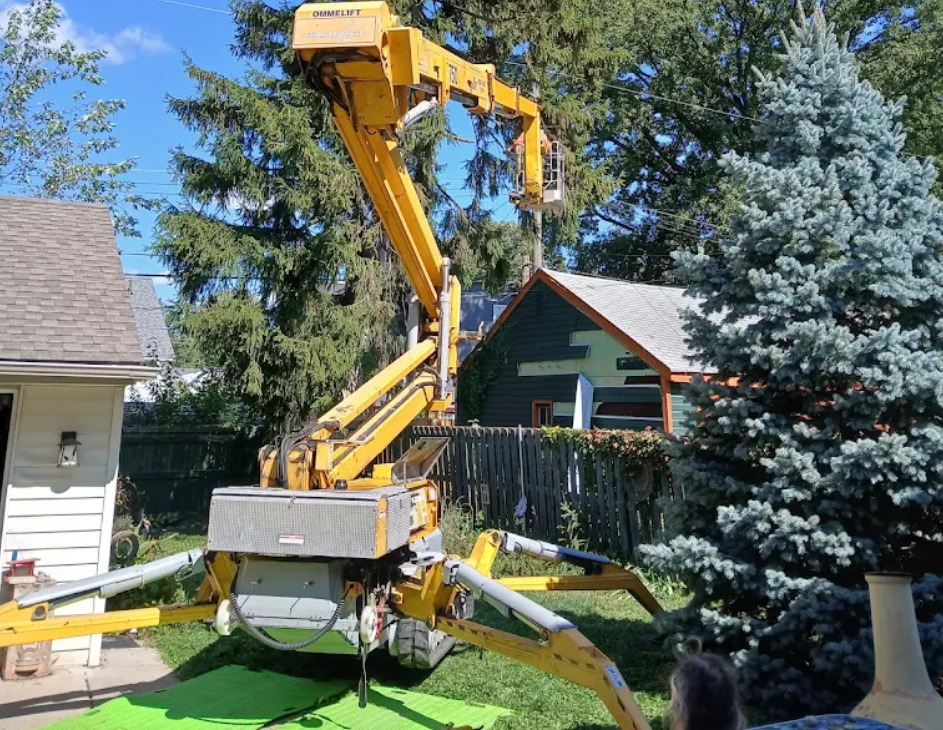
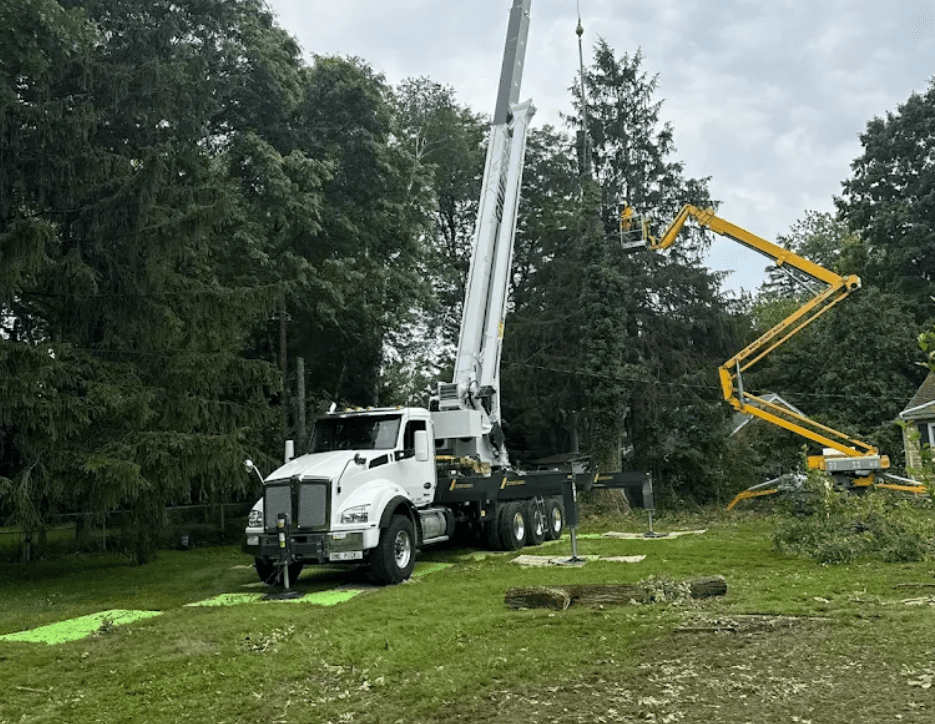
Timing and technique are everything when it comes to tree health, and that’s where professional expertise makes a big difference. Certified arborists bring specialized training that most homeowners simply don’t have. They’re skilled at handling tricky and potentially dangerous situations, like removing "widowmakers" – those dead or weak branches high up in the canopy that could fall without warning. Using tools like aerial lifts, rigging systems, and safety harnesses, they ensure the job is done safely. For DIY enthusiasts, trimming is generally only safe for branches under 2 inches thick and within easy reach.
Hiring professionals also helps protect your long-term investment in your trees. Arborists can spot hidden issues like internal decay, cracks, or pest infestations that might escape an untrained eye. They also avoid harmful practices like "topping" or making flush cuts. Instead, they make precise cuts just outside the branch collar, which allows the tree to naturally heal and compartmentalize its wounds.
Randy Erbskorn, Owner & Lead Arborist at The Tree Guy Services LLC, advises:
Consult a certified arborist to protect your trees, home, and investment.
When selecting a tree care provider, look for ISA Certified Arborists. This certification is widely recognized as a marker of expertise and ethical practices in tree care. Be cautious of door-to-door offers or "cash-only" deals, as these can often indicate unqualified or uninsured operators.
These professional standards are reflected in the structured service options offered by Viking Tree & Stump, detailed below.
Viking Tree & Stump Service Options
Viking Tree & Stump offers a range of services tailored to meet the needs of both residential and commercial clients in Oakland and Macomb counties. Their service tiers include:
- Basic Tree Care: Focused on essential trimming and pruning for homeowners.
- Advanced Services: Includes tree removal, stump grinding, storm cleanup, and emergency care.
- Commercial Care: Customized maintenance and risk management solutions for businesses.
Every service is performed by certified arborists who assess each tree’s unique needs based on factors like species, age, and the time of year. Before hiring any tree service, always confirm they carry both General Liability and Worker’s Compensation insurance – ask to see physical proof. Viking Tree & Stump also provides 24/7 emergency response for urgent issues, such as storm damage or hazardous branches. Their professional expertise ensures the job is done safely and correctly.
Conclusion
Timing is everything when it comes to pruning. Properly scheduled pruning can help prevent diseases, structural issues, and safety risks. Winter dormancy is the perfect time for major structural pruning, as it allows trees to heal efficiently and direct their energy toward healthy spring growth. In spring, flowering trees should be pruned only after their blooms fade, while summer works well for light thinning to enhance airflow. Fall pruning should generally be limited to removing dead or hazardous branches, as cutting live wood during this time can trigger new growth that may not survive the winter.
Following a seasonal pruning schedule is key to maintaining healthy trees and minimizing risks to your property. Mature trees often require professional pruning every 3 to 5 years, while younger trees may need annual attention to encourage a solid structure. Experts caution against removing more than 20% to 25% of a tree’s canopy in one season to avoid stressing the tree unnecessarily.
For smaller, easily accessible branches, DIY pruning is an option. However, larger trees, high branches, or jobs near power lines should always be handled by professionals. Certified arborists have the tools, knowledge, and training to manage these situations safely and effectively.
If you live in Oakland or Macomb counties, Viking Tree & Stump offers expert tree care tailored to your trees’ specific needs. From routine trimming to emergency storm services, their certified arborists ensure that your trees receive the right care at the right time. By sticking to these seasonal pruning tips, you can protect your trees’ health and keep your property safe year-round.
FAQs
Why is winter often the best time to prune most trees?
Winter is a great time for tree pruning because trees are dormant, making the process less stressful for them and aiding quicker recovery. With the leaves gone, it’s much easier to assess the tree’s structure and spot branches that are dead, damaged, or unhealthy.
Pruning during the colder months also lowers the chances of spreading pests or diseases since most insects and pathogens are inactive in winter. Plus, the cooler weather helps pruning cuts heal effectively, setting the tree up for healthy growth when spring rolls around. This seasonal timing benefits both the tree’s well-being and its overall safety.
Why is fall not the best time to prune trees?
Pruning trees in the fall comes with some serious drawbacks that can impact their health and lifespan. During this time, trees are busy storing up energy to survive the winter months. If you cut into them now, you risk exposing sensitive tissues that are more prone to frost damage. Plus, those fresh cuts might not heal properly, leaving the tree open to pests and diseases – both of which tend to be more active in cooler weather.
Another issue is that fall pruning can put unnecessary stress on the tree. This extra strain could weaken its structure and overall health. For most deciduous trees, the ideal time for pruning is during their dormant period, which usually falls in late winter or early spring. During this time, trees are better equipped to recover from pruning and are less likely to suffer long-term harm. While there are some exceptions, fall is typically not the best season to bring out the pruning shears.
What are the signs that my tree needs pruning in the summer?
During summer, trees tend to make it pretty obvious when they need a little attention. Watch for dead or broken branches, limbs that have grown so much they block visibility, or branches crossing and rubbing against each other. Ignoring these signs can put the tree’s health – and even safety – at risk.
This season is also ideal for spotting and removing damaged or weak limbs because active growth makes them easier to identify. Taking care of these issues right away can strengthen the tree’s structure, encourage healthier growth, and minimize risks. If you’re not confident about what needs to be done, reaching out to a professional can ensure your tree gets the care it needs.