If you’ve lived in Oakland County long enough, you already know the drill. A mild Tuesday afternoon can turn into a tornado watch by evening, and March is especially unpredictable — the kind of month where you’re raking leaves in a t-shirt one day and shoveling snow the next. With Severe Weather Awareness Week coming up March 15–21, 2026, now is a good time to get ahead of storm prep before the season hits its stride.
Most homeowners think about stocking emergency kits and knowing their shelter spots — all important stuff — but one of the biggest risks during a Michigan storm is the one standing in your yard. Trees that haven’t been properly assessed or maintained can become serious hazards when strong winds, ice, and heavy rain move through. Here’s what you should do before the next storm rolls in.
Walk Your Property and Look Up
Before any storm prep, take a slow walk around your yard and look at your trees with fresh eyes. You’re looking for:
- Dead or dying branches — these are the first things to come down in high winds, and they don’t need a major storm to do it
- Splits or cracks in the trunk or major limbs
- Leaning trees, especially ones that weren’t leaning before
- Root damage or heaving at the base of the tree
- Dense, heavy canopies that catch wind like a sail
Any tree with these warning signs should be evaluated by a professional before the storm season accelerates. A compromised tree close to your home, power lines, or vehicles isn’t just a property risk — it’s a safety risk.
Prune Before the Wind Does It for You
Proper pruning removes weak, dead, and crossing branches before wind takes them down in the worst possible way. It also opens up the canopy, which lets wind pass through rather than push against the whole tree like a solid wall. This is one of the most effective things you can do to reduce storm damage before it happens.
Don’t wait until after a storm to deal with overgrown trees. By then, you’re not preventing damage — you’re cleaning it up.
Pay Attention to Trees Near the House and Power Lines
Trees growing close to your roof, gutters, or utility lines deserve special attention. Even a relatively minor storm can cause branches to scrape, puncture, or fall onto your home. If you have large limbs hanging over your roof, now is the time to get them addressed — not when a tornado warning is active.
Know Your Alert System
While you’re preparing your trees and property, make sure your alert system is set up too. Oakland County uses OakAlert, a free notification service that sends text and email alerts for tornado warnings, severe thunderstorm events, and other emergencies. Sign up before you need it.
Oakland County’s outdoor warning sirens activate when the National Weather Service issues a tornado warning or when a severe thunderstorm with winds of 70 mph or greater is detected. The next scheduled test siren is Wednesday, March 18, 2026, at 1:00 PM — if you hear it then, it’s just a drill. Any other time, head inside immediately.
Keep a NOAA Weather Radio on hand as a backup. If your cell service goes down during a storm, it may be the only reliable way to get updates.
After the Storm: Don’t Touch Fallen Trees Yourself
Storm-damaged trees are dangerous even after the wind stops. A fallen tree can be under tension from the weight of other limbs or the ground itself — cutting in the wrong place can cause it to kick back or shift suddenly. If a tree has come down on your home, vehicle, fence, or power line, don’t attempt to remove it yourself.
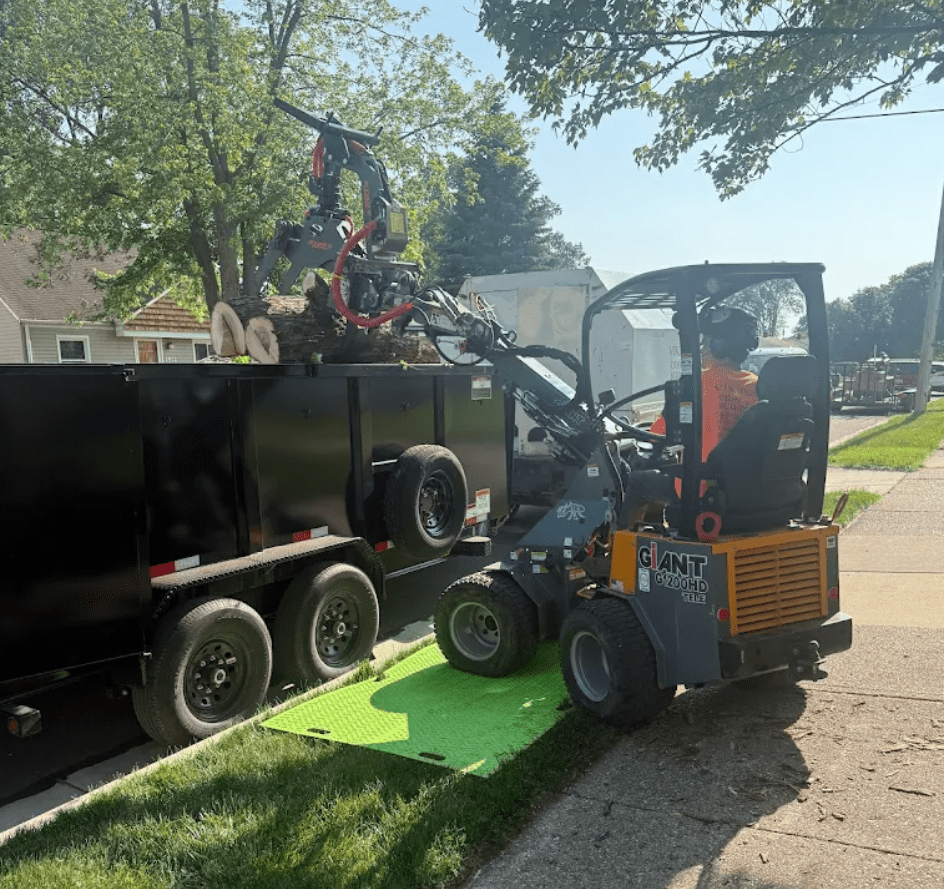
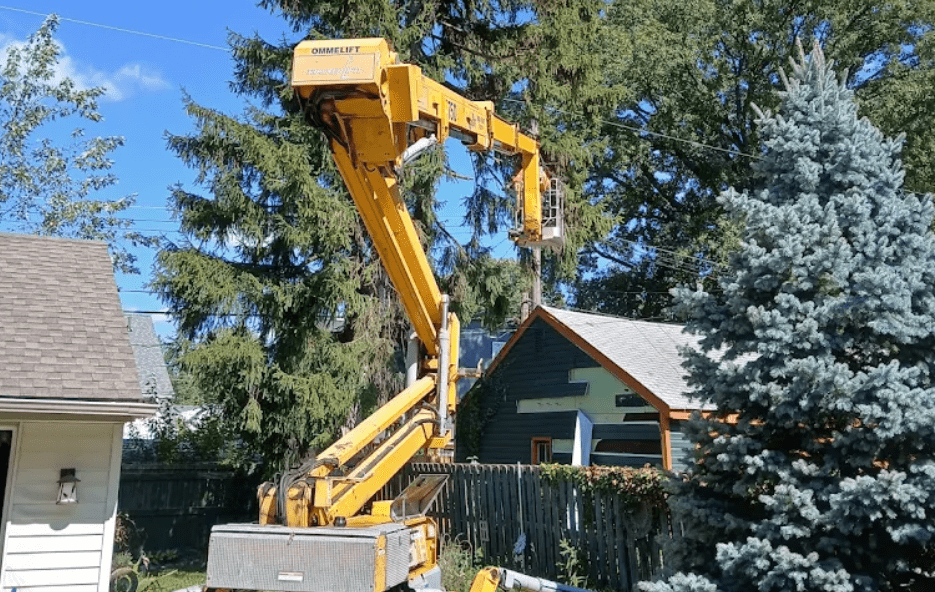
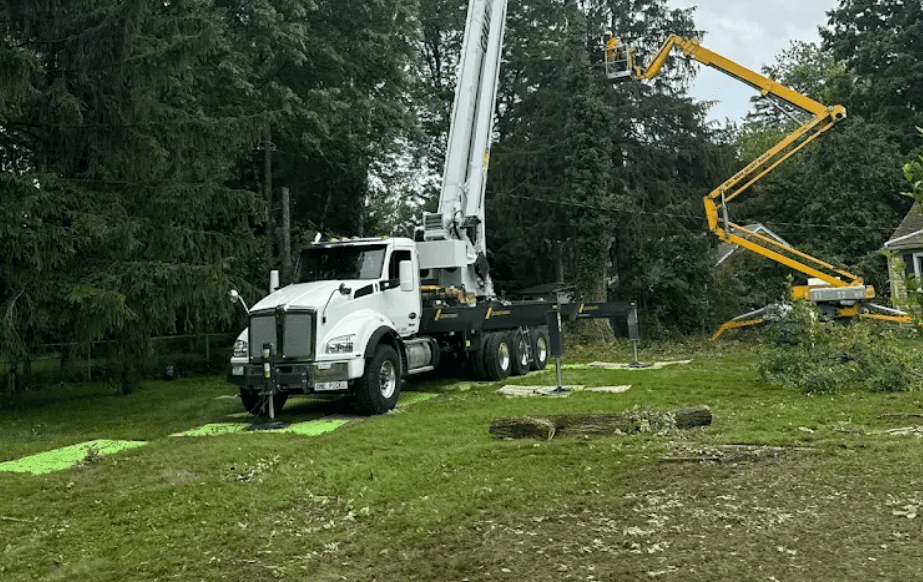
Viking Tree & Stump responds to storm damage cleanup throughout Oakland County. If a tree or large limb has come down on your property after a storm, give us a call and we’ll handle the removal safely and efficiently — so you can focus on getting everything else back to normal.
The Short Version
Michigan storm prep isn’t just about flashlights and bottled water. Your trees are part of your home’s defenses, and an unhealthy or overgrown tree is one of the most predictable sources of storm damage there is. Get them inspected, get the weak limbs removed, and know who to call when something comes down. That’s how you actually get ahead of storm season in Oakland County.