Tree risk assessments help property owners identify and manage hazards that trees may pose to people, buildings, or infrastructure. For commercial properties, this process is crucial to avoid accidents, reduce liability, and maintain safety. Risks are evaluated based on the tree’s condition, its surroundings, and potential impact if failure occurs.
Key takeaways:
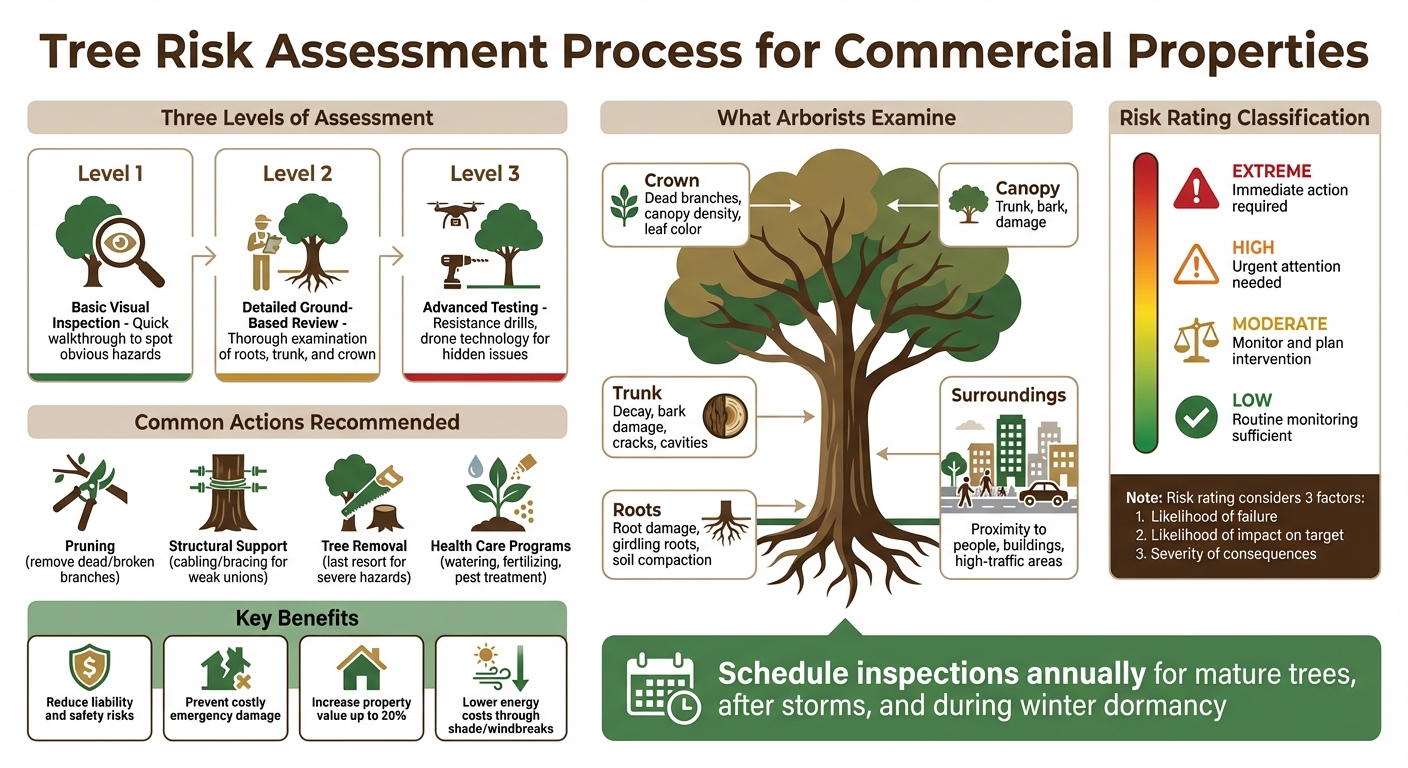
- Three levels of assessment: Basic visual inspection (Level 1), detailed ground-based review (Level 2), and advanced testing (Level 3).
- Common risks: Decay, dead branches, root damage, or trees near high-traffic areas.
- Actions recommended: Pruning, structural support (cabling/bracing), or removal when necessary.
- Benefits: Prevent costly damage, improve safety, and maintain property value.
Regular inspections, especially after storms or during winter when structural issues are more visible, are essential. Partnering with certified arborists ensures expert care and proper documentation, reducing legal risks and protecting your property.
Tree Risk Assessment Process: 3 Levels and Risk Rating System
Davey Commercial Tree Care: Tree Risk Assessment & Management
sbb-itb-a61c528
How Professional Tree Risk Assessment Works
Certified arborists follow a well-defined process that moves from identifying hazards to offering actionable solutions. This ensures property owners stay informed at every stage.
Inspection and Risk Identification
The process begins with a visual inspection. Arborists examine the tree’s roots, trunk, and crown, looking for signs of decay, dead branches, bark damage, or previous failures. They also assess the tree’s vigor by observing canopy density, leaf color, and overall health.
Another critical step is evaluating nearby "targets" – people, buildings, or infrastructure that could be affected if the tree or a branch fails. As Bartlett Tree Experts explains:
A tree with defects that is well away from people or structures would pose less risk than the same tree positioned near a home or building.
For instance, a tree with minor decay near a busy entrance poses a higher risk than one with similar damage in a secluded area. Arborists also factor in the tree’s species profile and history, as certain species are prone to issues like shallow roots or brittle wood.
When internal issues aren’t visible during a visual inspection, advanced tools like resistance drills or drone technology may be used to uncover hidden problems. These findings play a key role in the next step: risk rating.
Risk Rating and Classification
Once hazards are identified, arborists assign a risk rating to guide the next steps. This rating considers three main factors: the likelihood of tree failure, the chance of the failed tree or branch hitting a target, and the severity of the potential impact. Bartlett Tree Experts explains:
The factors reviewed in a tree risk assessment are: the likelihood of failure, the likelihood of the failed tree or branch impacting a person or structure, and the consequences of tree failure and impact.
Most arborists use a qualitative method, categorizing risks as Low, Moderate, High, or Extreme. These ratings align with standards set by the International Society of Arboriculture (ISA) and ANSI A300 Part 9. The assigned risk rating helps determine the appropriate action – ranging from regular monitoring to immediate removal.
However, not all trees with structural issues need to be removed. Many risks can be managed through methods like cabling, bracing, or targeted pruning, which can significantly reduce the chance of failure.
Benefits of Tree Risk Assessment for Commercial Properties
Tree risk assessments protect your finances, reputation, and the overall value of your property.
Reduced Liability and Safety Risks
As a property owner, ensuring the safety of everyone on-site is a key responsibility. Even a single falling branch can lead to severe injuries and expensive lawsuits, potentially disrupting your operations. Michael Waller, an ISA-certified arborist with Arbor Vision Inc., highlights this:
Tree risk management helps identify and assess potential risks associated with trees and takes steps to mitigate those risks. By taking proactive measures to reduce the risk of tree‑related injuries or damage, you can also reduce your liability if something happens.
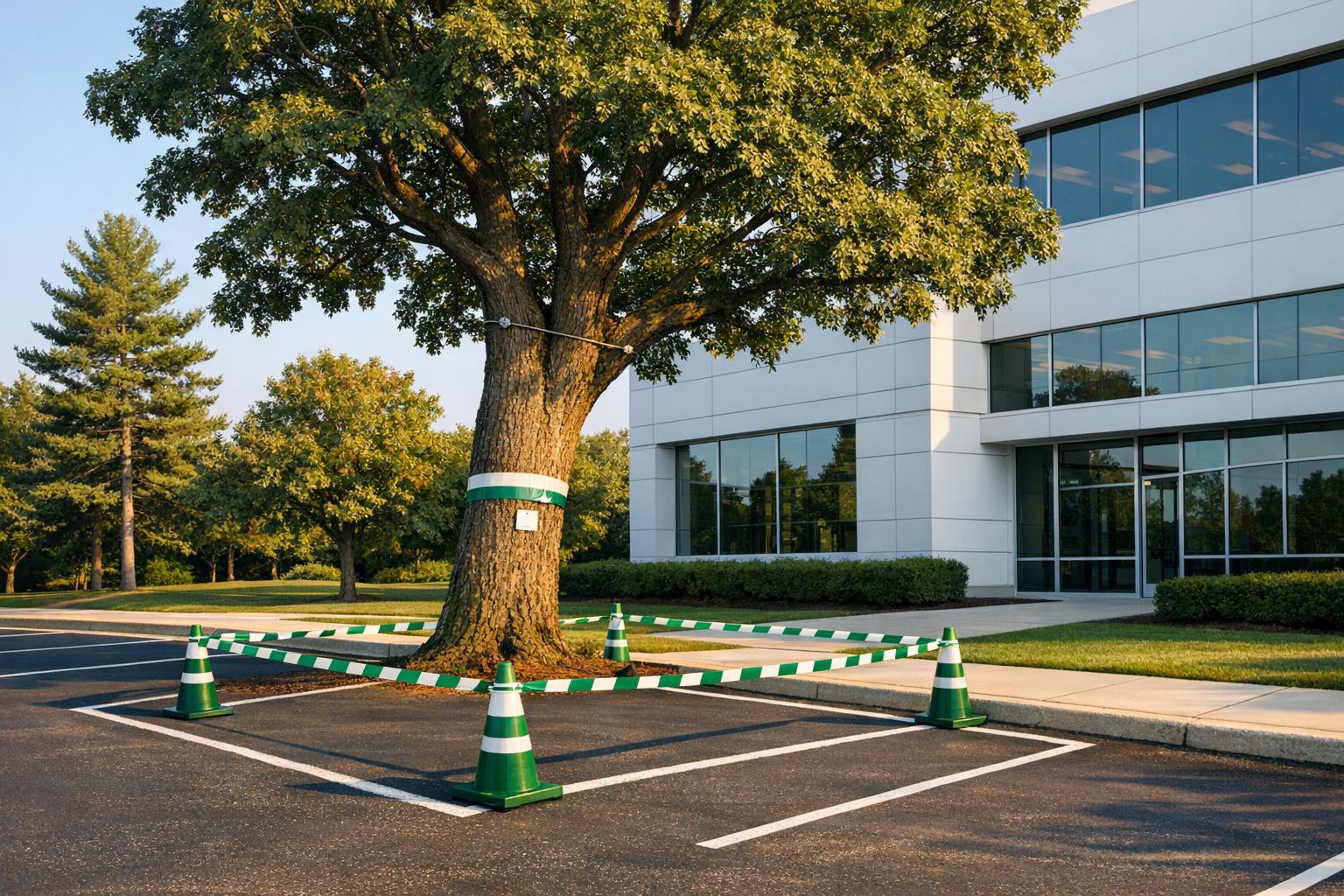
Professional tree risk assessments allow for ongoing monitoring, demonstrating a proactive approach to safety and risk management. These assessments identify specific issues that can often be resolved through targeted solutions like pruning, cabling, or bracing – avoiding the need for complete tree removal. Trees located near high-traffic areas, such as entrances or parking lots, are given priority due to their elevated risk.
Lower Costs Through Prevention
Spotting tree issues early can save you from costly emergencies. Stein Tree Service explains:
The damage that hazardous trees can cause to the surrounding property and passerby is costly. Broken gutters, smashed roof or windows, wrecked cars, and snapped power lines are just a few of the many risks and damages that can cost you.
Early detection often leads to affordable fixes, preserving trees instead of resorting to removal. Addressing problems like root invasions into sewer lines, pest infestations, or structural weaknesses before they worsen can result in significant savings. The Arbor Day Foundation emphasizes this:
Worrying about hazards has resulted in the unnecessary removal of many trees… removal should be an act of last resort.
Aside from cutting costs, proactive tree care also enhances the beauty of your property.
Improved Property Appearance and Value
Proactive tree maintenance doesn’t just reduce risks and expenses – it also boosts your property’s curb appeal and market value. Healthy trees create an inviting atmosphere that attracts customers and encourages spending. In fact, mature, well-maintained trees can increase property values by as much as 20%, making them assets worth protecting.
Tree risk assessments provide expert recommendations for pruning and care that enhance the appearance of your landscape year-round. As Stein Tree Service notes:
A thriving, healthy tree noticeably improves your property appeal, while unhealthy or damaged ones can decrease your property value.
Additionally, healthy trees offer practical benefits like shade that reduces summer cooling costs and windbreaks that lower winter heating expenses. Regular assessments ensure your trees remain a valuable part of your property, rather than a potential hazard.
Common Actions Recommended After Tree Risk Assessment
After a tree risk assessment, arborists often suggest specific actions tailored to the tree’s condition and potential hazards. These can range from routine care to more intensive solutions.
Pruning and Structural Support
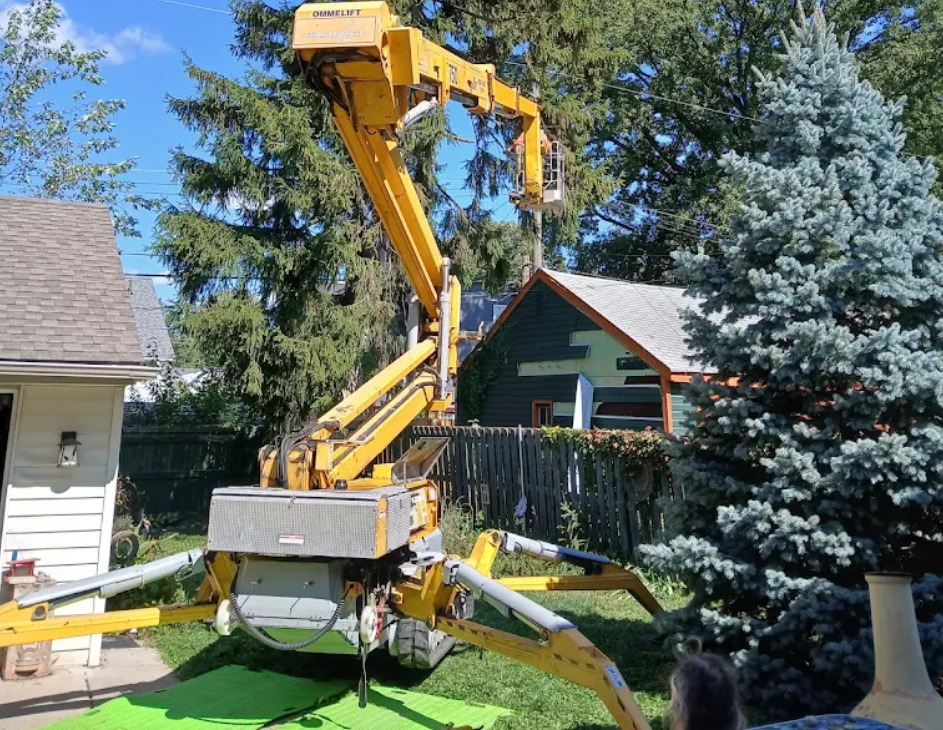
Pruning is one of the most effective ways to address hazards, especially by removing dead, broken, or hanging branches that could cause injuries or property damage. Large dead branches in the upper canopy are particularly concerning since they can fall with significant force, leading to serious damage.
In some cases, corrective pruning is paired with structural supports like cabling or bracing to address weak points, such as V-shaped unions or included bark. Drew C. McLean and his colleagues at UF/IFAS explain:
The risk associated with poorly or codominantly attached branches often can be partially mitigated through corrective pruning or the installation of a cable system.
V-shaped unions with included bark – where bark is trapped between stems – are especially vulnerable to splitting during storms. Cabling and bracing help stabilize these weak areas, while pruning ensures clearances for pedestrians, vehicles, and nearby buildings. If these measures are insufficient, more drastic steps may be necessary.
Tree Removal and Stump Management
Tree removal is considered a last resort, reserved for trees that pose an immediate risk of failure. The Arbor Day Foundation advises:
Removal should be an act of last resort. Instead, some technical knowledge are the keys to preventing injuries, property damage, and lawsuits.
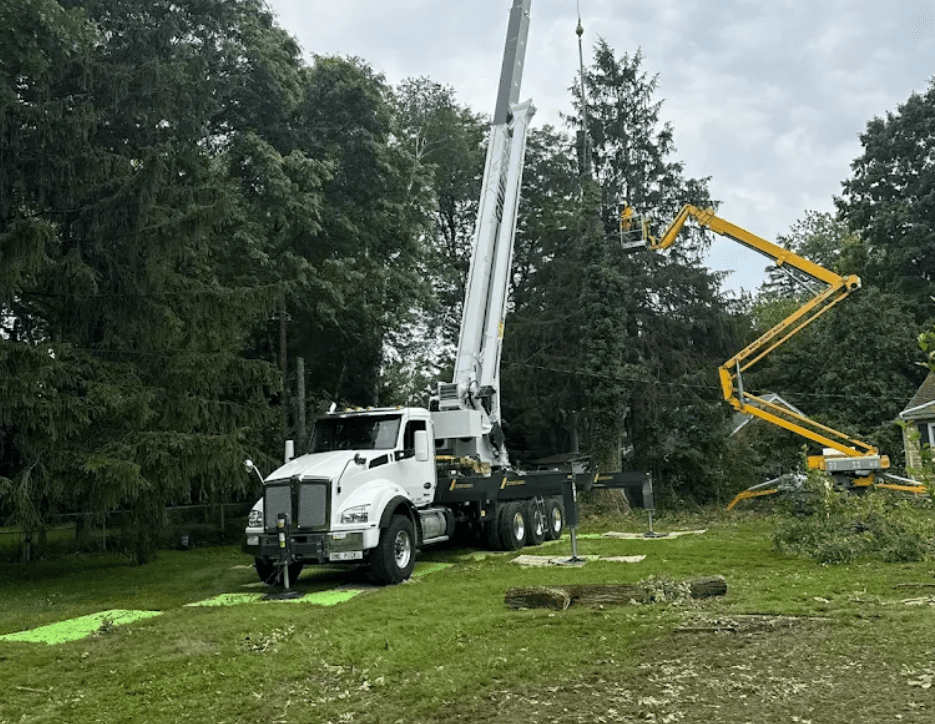
Trees with deep cracks, severe trunk decay, sudden leaning, or significant root damage should be removed promptly. Internal cavities or other structural issues that compromise a tree’s integrity also warrant removal, especially if the tree is near high-traffic areas like entrances or parking lots. As Gary W. Moorman, Ph.D., points out:
A tree is hazardous when its defective parts threaten safety.
After removal, stump grinding is recommended to eliminate tripping hazards and prevent pests from spreading to nearby healthy trees. These steps are essential for ensuring a safe and functional environment.
Tree Health Care Programs
For long-term stability and health, regular care programs are critical. Routine maintenance helps trees resist stress and avoid structural decline. Michael Waller, an ISA-certified arborist with Arbor Vision, underscores the importance of consistent care:
Trees need to be watered, fertilized, and pruned regularly to stay healthy and strong.
Plant Health Care (PHC) programs focus on practices like supplemental watering during dry spells, soil fertilization, and treatments for pests or diseases. Addressing root issues – such as removing girdling roots, exposing the root flare, or alleviating soil compaction – can also improve a tree’s long-term health. Regular care not only enhances tree vigor but also minimizes future risks, making your commercial landscape safer and more appealing. These programs protect both your trees and the overall aesthetic of your property.
When to Schedule Tree Risk Assessments
Timing plays a big role in tree risk assessments. By scheduling inspections strategically, you can identify potential hazards before they lead to damage or injuries. Seasonal changes and unexpected events like storms are key moments to prioritize these assessments, complementing your broader tree risk management efforts.
Seasonal and Storm-Related Assessments
Winter is a prime time for spotting structural issues. From late fall through early spring, when trees are dormant and their branches are bare, it’s easier to notice cracks, weak branch unions, and trunk damage. Gary W. Moorman, Ph.D., Professor Emeritus at Pennsylvania State University, highlights the importance of post-storm inspections:
All trees, regardless of previous health, should be inspected after a severe storm.
After severe weather events – like high winds, heavy snow, or ice storms – it’s critical to check for "hangers" (broken limbs stuck in the canopy) and structural problems such as uprooting or trunk splits. Conducting inspections during and after these periods provides a fuller understanding of potential risks.
While seasonal checks are vital, ongoing monitoring is equally important for older trees or those in high-risk areas.
Regular Monitoring for Older or High-Risk Trees
Older trees and those near buildings or high-traffic areas require more frequent attention. Large trees should be inspected annually, while high-risk trees may need even closer monitoring due to the greater potential for harm. Trees near sidewalks, parking lots, or building entrances should be prioritized for regular checks. Bartlett Tree Experts explains:
A tree with defects that is well away from people or structures would pose less risk than the same tree positioned near a home or building.
Keep detailed records of all inspections, including written notes and photographs, to show due diligence. For high-value or aging trees, advanced testing methods like resistance drilling can uncover hidden decay inside the tree. Frequent monitoring not only reduces risks but also strengthens your overall approach to tree risk management.
Conclusion and Next Steps
Working with Professional Tree Care Services
Tree risk assessment is a continuous effort to safeguard your property and its assets. ISA-certified arborists bring the knowledge and skills needed to spot hidden risks and make informed decisions about your trees. To achieve certification, these professionals must have at least three years of full-time experience (1,795 hours per year) and follow a strict Code of Ethics. This ensures they adhere to industry-recognized practices.
Before hiring a tree care service, always verify credentials using the International Society of Arboriculture’s "Find an Arborist" tool. Don’t just go for the cheapest option – focus on qualifications, references, and the range of services provided. As Arbor Vision, Inc. explains:
Although ongoing maintenance might seem costly, it is more cost-effective than managing emergencies or extensive tree removal.
For businesses in Oakland and Macomb counties, Viking Tree & Stump (https://vikingtreeandstump.com) offers certified arborist services, 24/7 emergency support, and expertise in tree risk assessments, routine care, and storm damage cleanup. Taking a proactive approach with experts like these sets the stage for long-term property protection.
Long-Term Protection for Your Business and Property
Proactive tree care does more than just reduce risks – it protects your business, employees, and customers while enhancing your property’s reputation. Professional assessments help identify structural issues before they lead to accidents or damage. Moreover, well-maintained trees boost curb appeal, attract customers, and even increase property value. Thoughtful tree placement can also cut energy costs by providing shade and improve stormwater management.
Schedule yearly inspections for mature trees. Maintain detailed records of all assessments and maintenance work – this documentation can serve as proof of due diligence in case of liability claims. Act quickly if you notice warning signs like mushrooms around the tree base, vertical bark cracks, or raised soil near a leaning tree. These consistent efforts, guided by certified arborists, complete the cycle of risk management. By prioritizing expert care and regular maintenance, you’re making a long-term investment in safety, savings, and the overall appeal of your property.
FAQs
How much does a tree risk assessment cost for a commercial property?
A tree risk assessment for a commercial property generally costs between $150 and $550. The exact price depends on factors such as the property’s size and how many trees need to be evaluated.
How do I know if a tree needs removal versus pruning or cabling?
Deciding on whether to remove, prune, or cable a tree comes down to its condition, structure, and any potential safety concerns. A certified arborist can evaluate key factors such as decay, dead limbs, or structural vulnerabilities.
- Pruning works well for addressing smaller issues, like removing dead or overgrown branches.
- Cabling can help stabilize trees with weak limbs or trunks, offering additional support.
- If a tree is severely damaged, leaning dangerously, or presents a major safety risk, removal is often the safest course of action to avoid accidents or property damage.
Each option serves a specific purpose, depending on the tree’s needs and the surrounding environment.
What warning signs mean I should call an arborist right away?
If you spot cracks, splits, or signs of decay in a tree, dead or dying branches, a leaning or unstable trunk, or storm damage that weakens the tree’s structure, it’s time to call an arborist right away. Taking quick action can reduce potential safety risks and safeguard your property.