Protect Your Home with a Storm Damage Risk Assessment
Homeownership comes with its share of worries, especially when severe weather looms on the horizon. One often-overlooked danger is the potential for trees to cause havoc during high winds or heavy rain. A quick way to gauge this threat is by evaluating the likelihood of tree-related damage before a storm strikes. Knowing the risks can help you decide whether to take preventive steps, like trimming branches or consulting a professional.
Why Tree Safety Matters
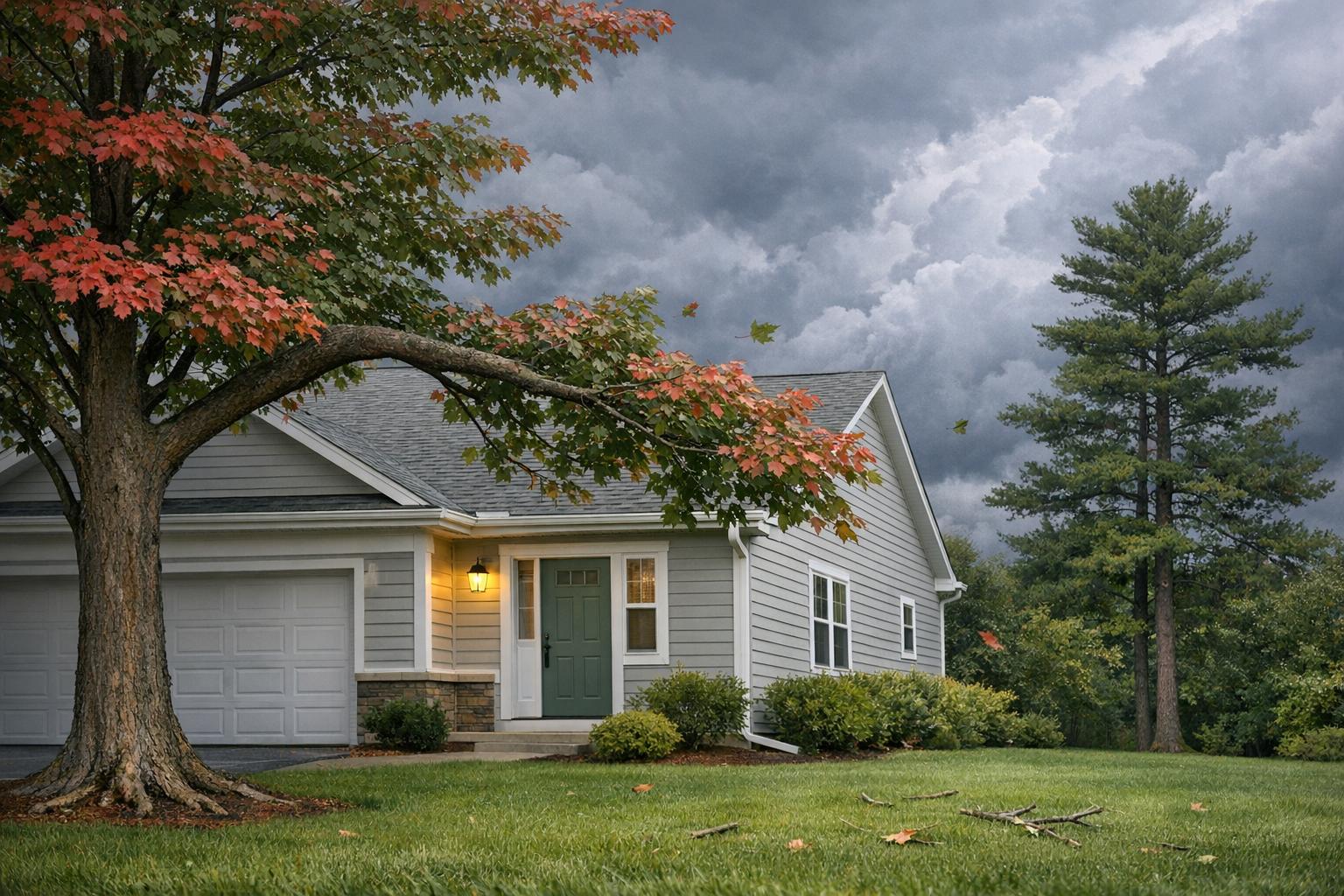
Trees add beauty and value to a property, but they can become liabilities if they’re not in good shape. Factors like height, age, and proximity to structures play a big role in how much danger they pose during bad weather. For instance, an aging oak towering near your roof in a region with frequent gales could spell trouble. By taking a moment to assess these elements, you empower yourself to act before disaster hits. Tools that simplify this process are invaluable for busy homeowners who want to stay ahead of potential issues without diving into complex arboriculture.
Take Action Today
Don’t leave your safety to chance. A little preparation now can save you from costly repairs or worse down the line. Check your trees’ vulnerability and make informed decisions to safeguard your home.
FAQs
How accurate is this storm damage risk tool?
This tool gives a general idea of risk based on factors like tree height, age, and storm frequency in your area. It’s not a substitute for a professional arborist’s evaluation, though. Think of it as a starting point—if the risk comes back Medium or High, it’s a sign to get an expert to take a closer look at your trees.
What should I do if my tree is rated High Risk?
A High Risk rating means your tree could be a serious hazard during a storm, especially if it’s tall, old, or near your home. Don’t wait for bad weather to hit—reach out to a certified arborist in your area. They can assess the tree’s health and suggest trimming or removal if needed to keep your property safe.
Does tree species affect storm damage risk?
Yes, some tree species are more prone to damage due to weak wood or shallow roots, but our tool keeps things simple by focusing on height, age, and location. If you’re curious about your specific tree type, an arborist can provide deeper insights. For now, use our checker to get a quick sense of whether there’s cause for concern.