Understanding Tree Health: A Simple Guide to Assessing Your Trees
Trees are the backbone of any yard, offering shade, beauty, and even a boost to property value. But how do you know if they’re doing well? Keeping an eye on their condition is key to catching problems early, whether it’s a pest issue or a nutrient deficiency. That’s where a quick evaluation can make all the difference.
Why Check Your Tree’s Vitality?
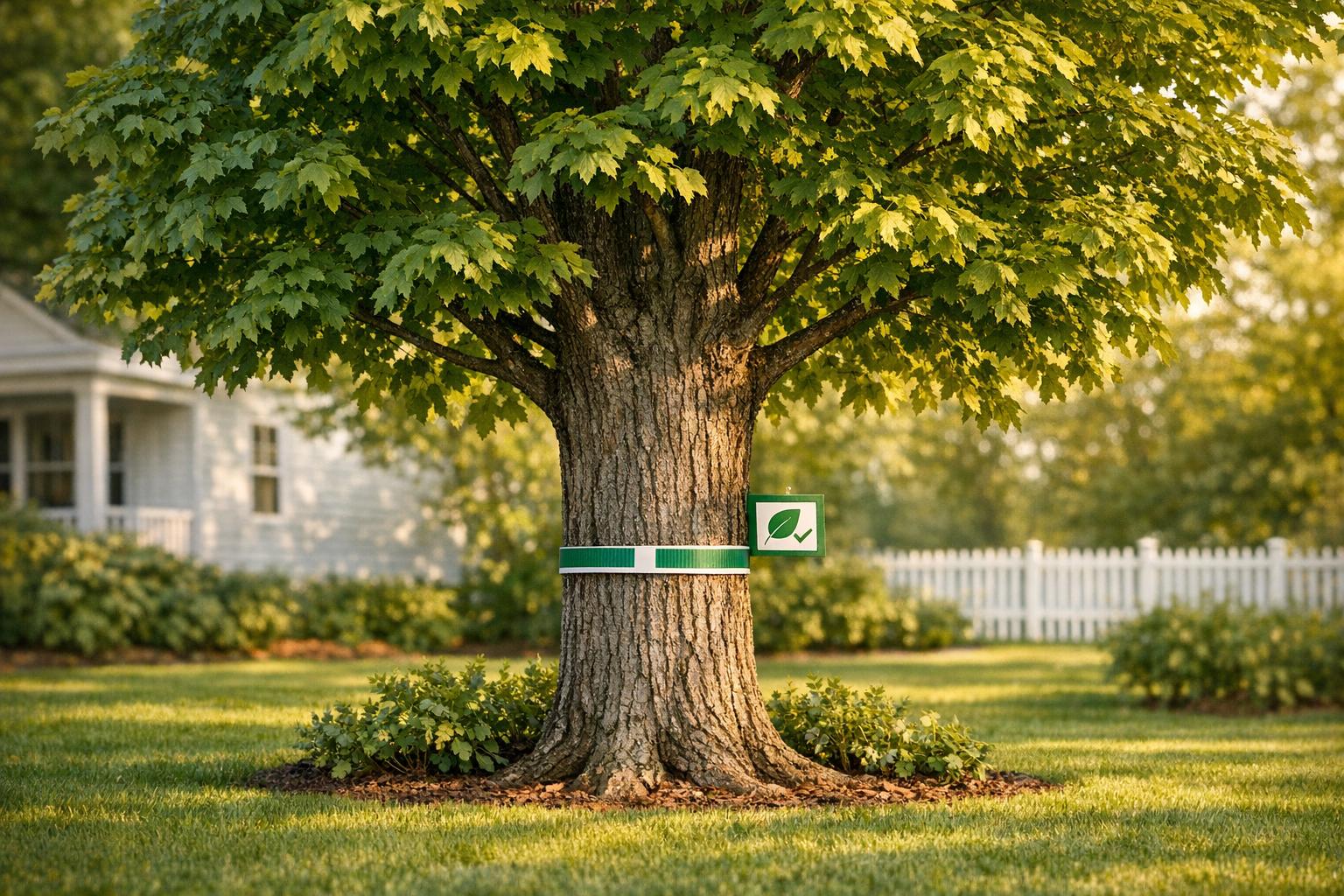
A struggling tree can pose risks, from falling branches to spreading disease to nearby plants. By observing basic traits—think leaf color, bark texture, or signs of pests—you can get a rough idea of its well-being. Tools designed for this purpose simplify the process, turning your observations into actionable insights without needing a degree in botany.
Tips for Tree Care
Start with the basics: ensure your tree gets enough water, especially during dry spells, and check for overcrowding by shrubs or other trees. Prune dead branches to reduce stress on the plant. If something looks off, don’t hesitate to consult a professional. Regular monitoring, paired with a bit of know-how, can keep your yard’s giants standing tall for years to come.
FAQs
How accurate is this Tree Health Assessment Tool?
Our tool provides a general indication of your tree’s health based on observable traits like leaf color and bark condition. It uses a straightforward scoring system to give you a sense of whether your tree might need attention. That said, it’s not a substitute for a professional arborist’s evaluation, especially if you notice serious issues. Think of it as a starting point to decide if you should dig deeper.
What should I do if my tree scores low on health?
If your tree gets a score below 40, it might be showing signs of stress or disease. Don’t panic—start by inspecting it closely for pests, fungi, or damage that you might’ve missed. We recommend reaching out to a local arborist for a detailed diagnosis and tailored advice. In the meantime, ensure your tree gets proper water and isn’t overcrowded by other plants.
Can I use this tool for any type of tree?
Yes, this tool is designed to work for most common tree species you’d find in a backyard or garden. It focuses on universal signs of health, like leaf appearance and bark texture, rather than species-specific traits. However, keep in mind that some trees have unique needs or symptoms, so if you’re unsure, a quick chat with a tree care expert can provide more clarity.